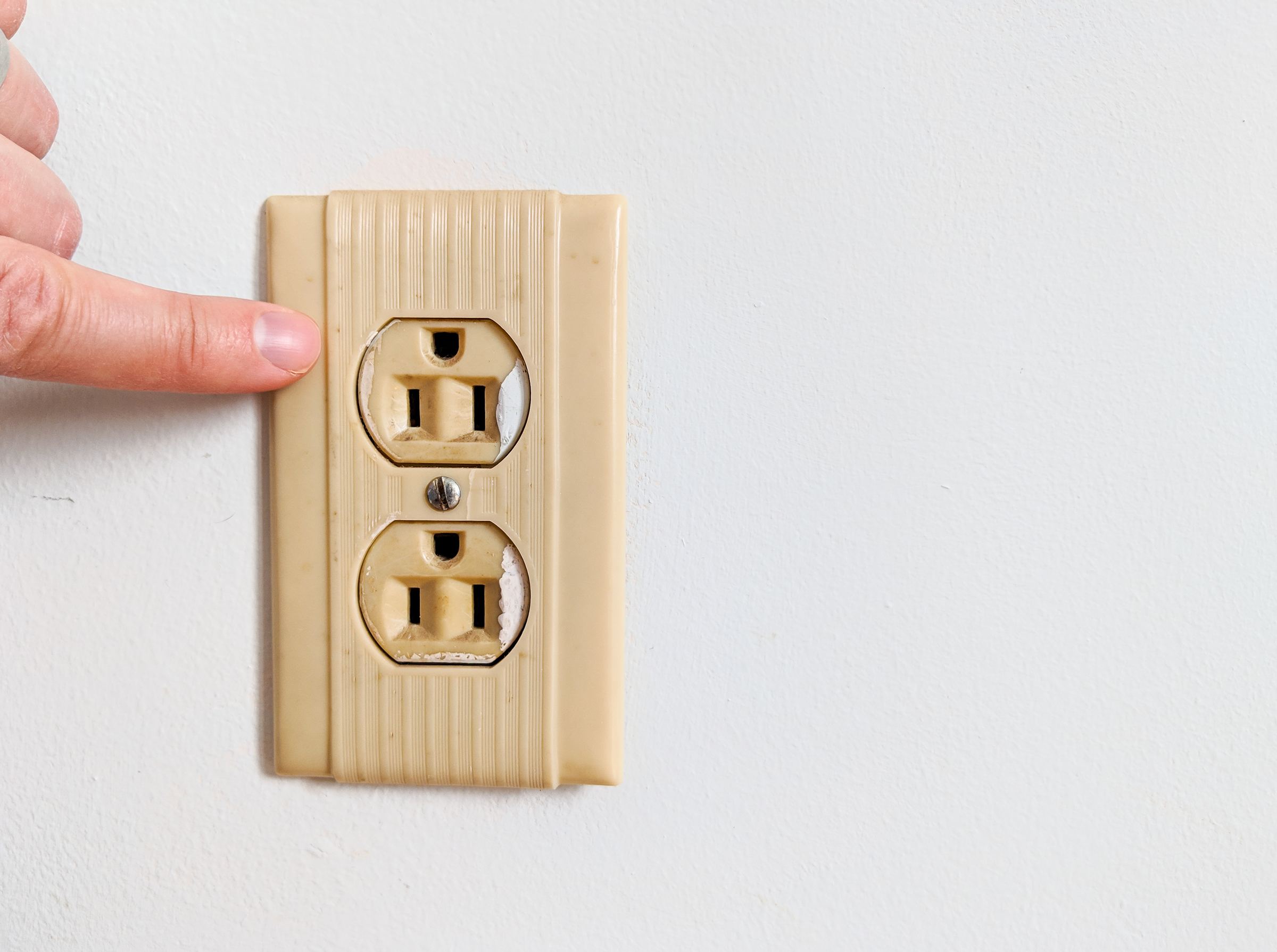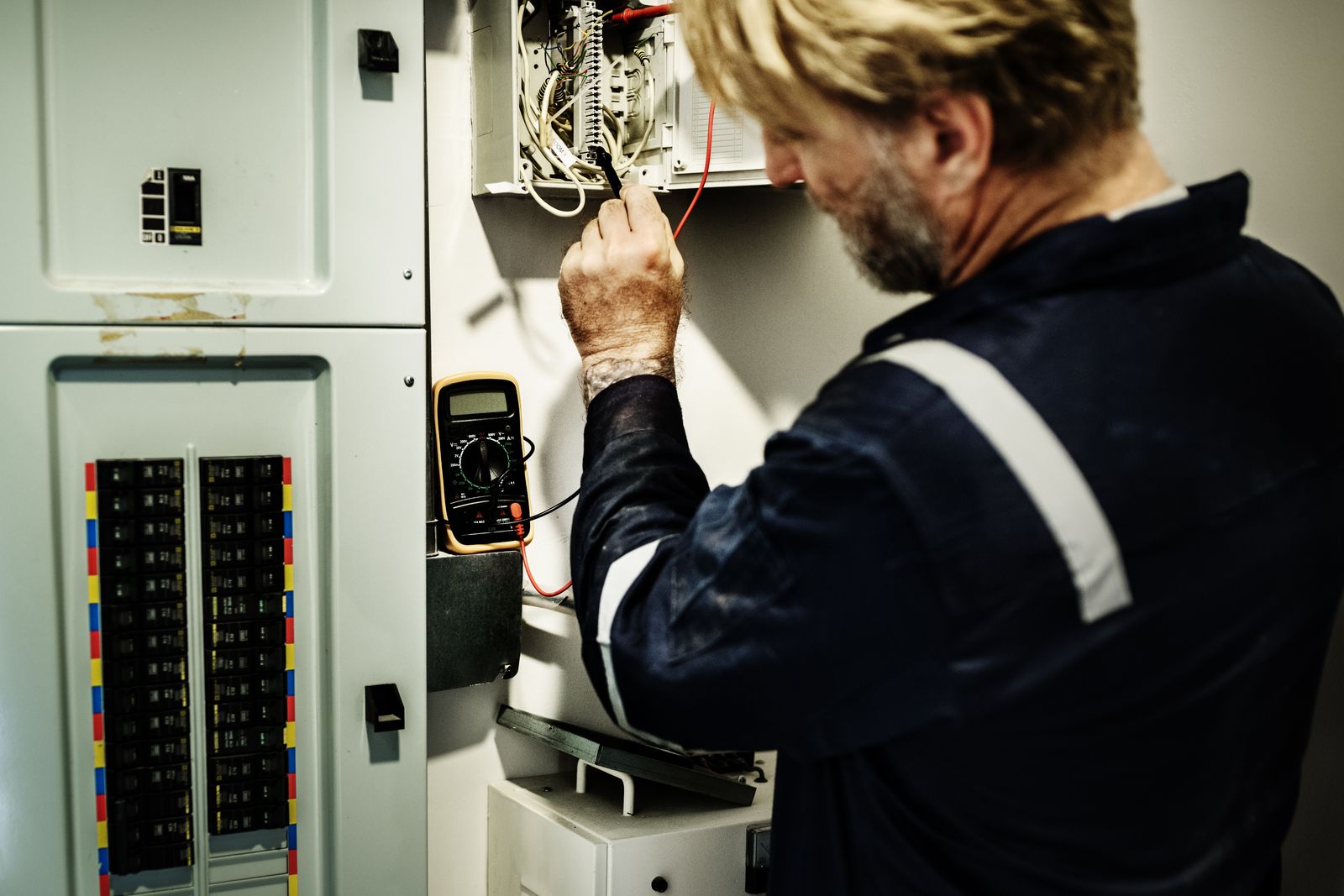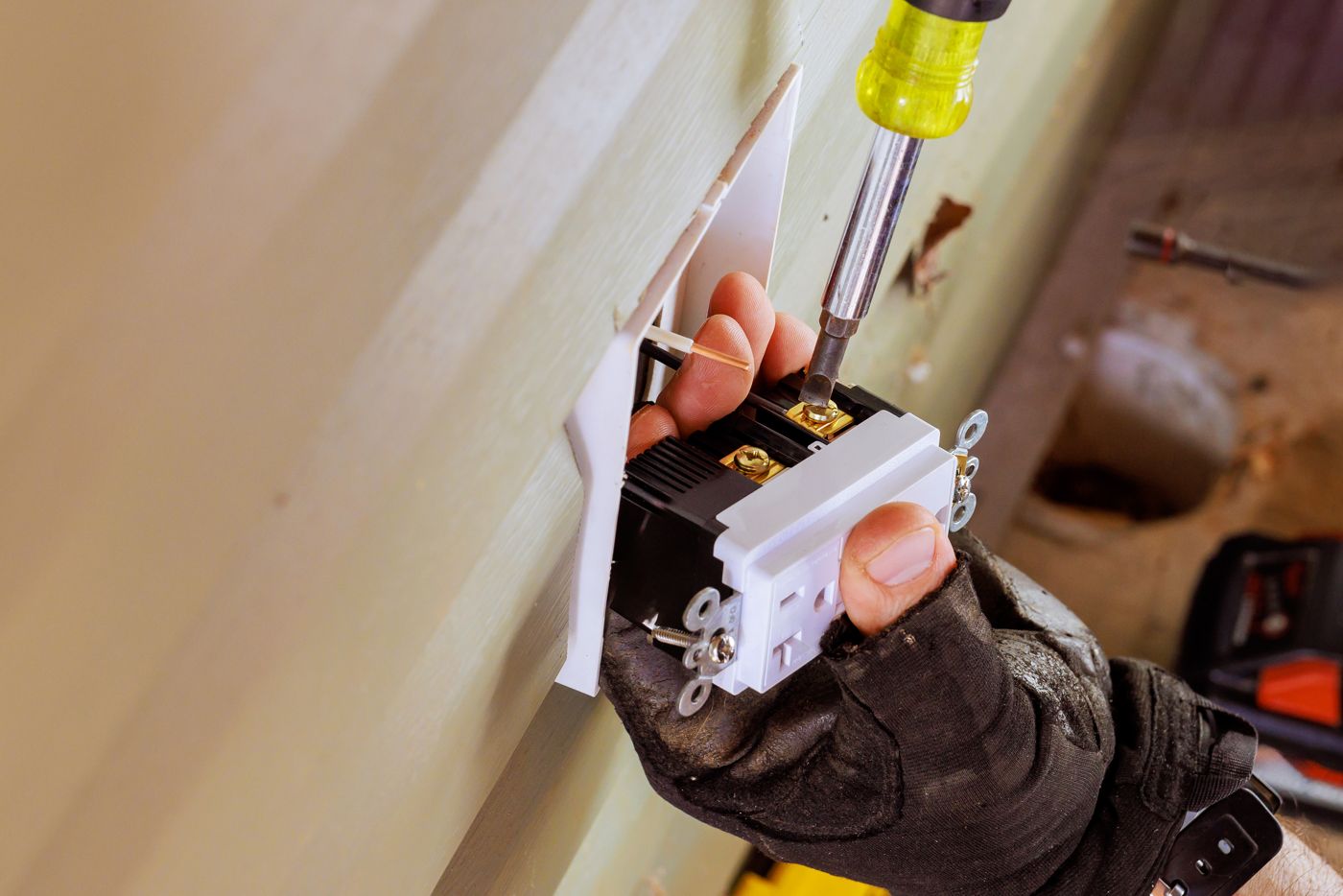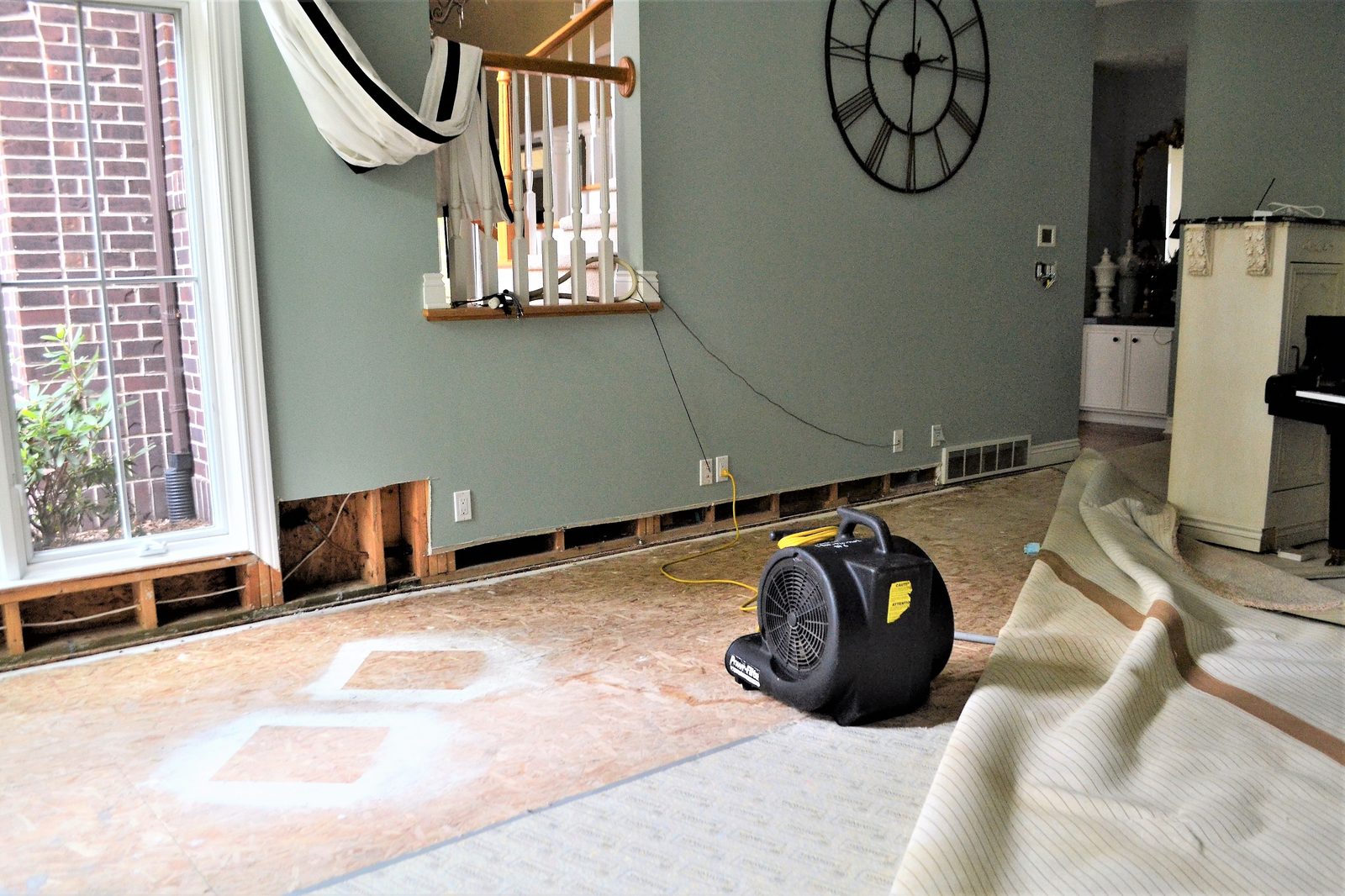

In a New Orleans flood, water and silt get inside outlets, where they can corrode contacts and carry current into the water. NEMA's 2026 guide lists flooded receptacles, switches and GFCIs as parts to replace, even after they look dry. The CDC says to leave the power off until a qualified electrician has inspected the system.
Last Updated: November 10, 2026
At Big Easy Electrical, we repair wiring, outlets and breakers for homes and businesses across Greater New Orleans. Water damage is one of the jobs where a careful first look matters most.
After a storm or a burst pipe, many people ask if their outlets are ruined. The short answer is that water changes an outlet in ways you cannot see from the room.
This guide explains what flood water does to outlets and the wiring behind them. It also covers what safety agencies advise before power returns.
Why Does Flood Water Matter for Outlets in New Orleans?
Flood water matters because New Orleans gets heavy rain often, and electrical outlets sit low on the wall where rising water usually reaches them first. NOAA's 2021 climate normals put the city's airport at about 63 inches of precipitation each year.
Street flooding, storm surge and a failed water heater can all leave water at outlet height. Garages and ground-floor rooms are often the first to take it on.
The water is only part of the problem. NEMA, the National Electrical Manufacturers Association, notes in its 2026 guide that flood water can carry chemicals, sewage, oil and debris.
The guide calls salt water particularly damaging, because its residue is corrosive and conductive. Our guide on how electrical service reaches a New Orleans home explains the parts that feed those outlets.
How Does Flood Water Damage Electrical Outlets in New Orleans?
In a New Orleans flood, water fills the outlet box, soaks the device and leaves silt and salt on its metal contacts. The outlet may still seem to work afterward, but its insulation and connections can be damaged in ways no one can see.
Outlets and Switches
NEMA's 2026 guide, "Evaluating Water-Damaged Electrical Equipment," places wiring devices in its replace column. That covers switches, dimmers and receptacles, the outlets you plug into.
The same guide recommends replacing outlet boxes that are not listed for wet locations. Those boxes can corrode once flood water sits in them.
ESFI, the Electrical Safety Foundation International, puts receptacles, switches and outlet boxes on the must-replace list in its 2025 guide. Our electrical repair service covers the outlets, switches and wiring that a flood can leave behind.
GFCI and AFCI Outlets
GFCI outlets cut power when they sense a ground fault, and AFCI devices respond to arcing. NEMA's 2026 guide lists both in its replace column after water exposure.
These devices contain electronic circuits, which water can damage. NEMA warns that a wet GFCI or AFCI can stop working or become a hazard to the user.
The guide also says air drying and washing of these water-damaged devices should not be attempted. A GFCI that will not trip gives no protection at all. Our guide to common electrical repairs covers GFCI problems in dry conditions.
Hidden Silt and Corrosion
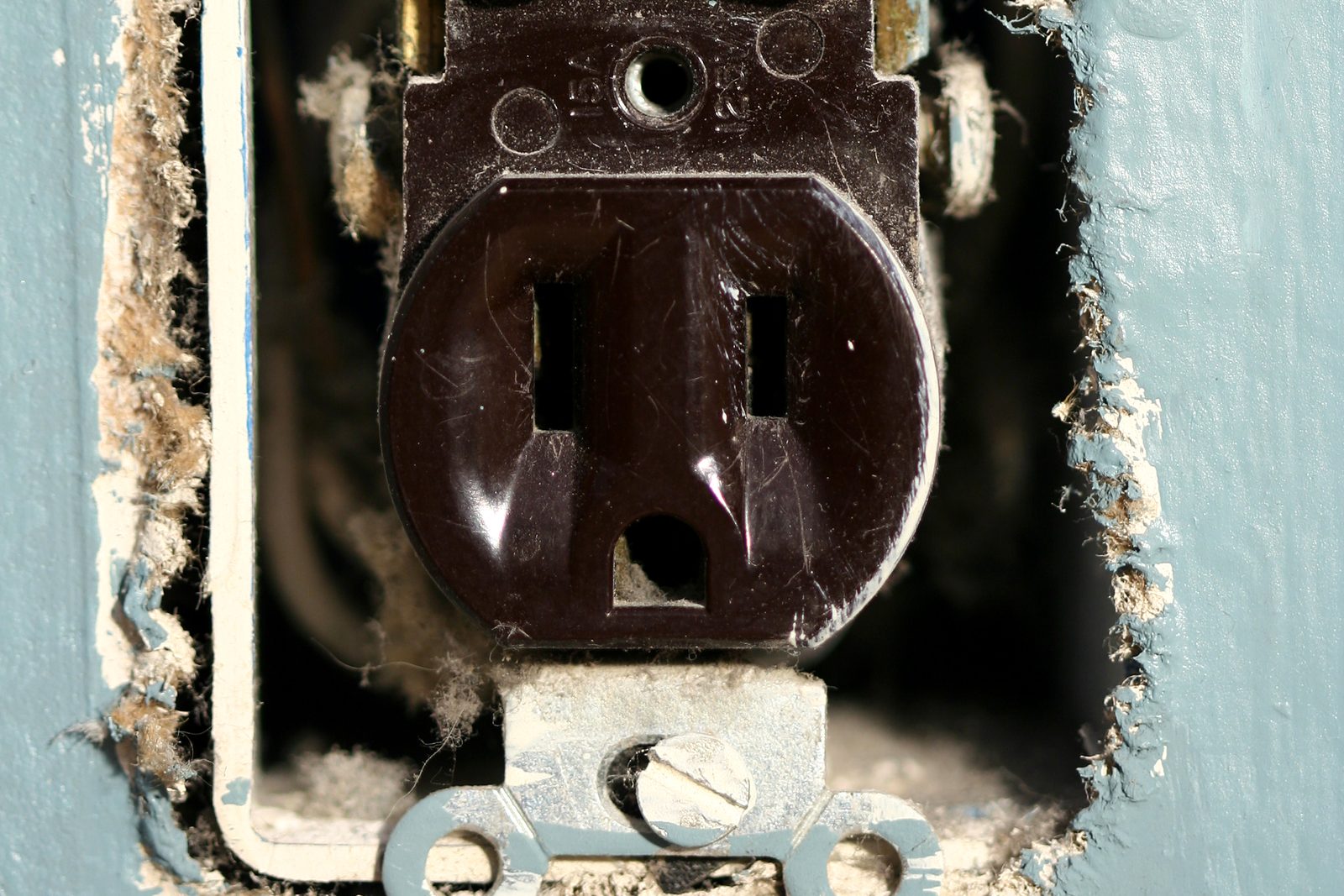
Drying an outlet does not clean it. NEMA's 2026 guide explains that sediments and contaminants can migrate into installed products and stay there after drying or washing.
That leftover grit and salt can keep corroding the contacts long after the water drains. The problem may not show until a connection overheats or a device fails under load.
ESFI's 2025 guide agrees, saying water-damaged equipment, even if thoroughly dried, poses serious long-term safety and fire risk unless properly reconditioned.
Wiring and Breakers Behind the Wall
Behind each outlet, cable runs through the wall to the breaker panel, and flood water can reach it all.
NEMA's 2026 guide lists molded-case circuit breakers and fuses in its replace column. It explains that water can affect a breaker's mechanism through corrosion, foreign particles and lost lubrication.
Panelboards are in the guide's "may be reconditioned" group, but only after the manufacturer is contacted. A qualified electrician decides which parts of a flooded panel can stay.
What Should You Do With Flooded Outlets in New Orleans Before the Power Returns?
After water gets into a New Orleans home or business, stay out of any standing water and leave the electrical system alone. Federal guidance says wet circuits and equipment stay off until a qualified electrician has checked what the water reached.
The CDC's electrical hazard guidance, reviewed in 2026, covers wet circuits and equipment. It says to shut off the main breaker, with one firm limit: "Do not enter standing water to access the main power switch. Call an electrician to turn it off."
The page says never to switch power on or off while standing in water. Power stays off "until electrical equipment has been inspected by a qualified electrician."
ESFI's 2025 guide warns that restoring power without a proper evaluation can lead to fire or shock. Nobody should test or reset a flooded outlet themselves.
How Do Electricians Decide What to Replace After a New Orleans Flood?
After a New Orleans flood, electricians decide what to replace by inspecting each part of the system against manufacturer and industry guidance. How high the water rose, what it carried and how each part is built all shape what stays.
Inspection Before Power Returns
NEMA's 2026 guide warns that equipment exposed to water can be extremely hazardous if reenergized without a proper evaluation. It says that evaluation should be done by qualified personnel.
An inspection looks at where the water reached and which outlets, boxes, cables and breakers sat below that line. It also checks for corrosion and silt in the panel itself.
Our electrical troubleshooting work traces each problem to its root cause. After a flood, that starts with mapping what the water touched.
Permits and Local Rules
NEMA's guide says the local authority having jurisdiction should be consulted, including on permits and inspections. In New Orleans, that authority is the city.
The City of New Orleans requires an electrical permit to install, repair, replace or alter electrical equipment, except bulbs and fuses. The city also states that "permits must be obtained by licensed electricians."
When comparing electricians for flood repairs, ask who will obtain the permit.
Replace or Recondition
NEMA's guide sorts equipment into two groups: parts to replace, and larger equipment that may be reconditioned with the manufacturer's input. Most small household parts fall into the replace group:
- Wiring devices: receptacles, switches and dimmers.
- Protective devices: GFCIs, AFCIs and surge protectors.
- Overcurrent parts: molded-case circuit breakers and fuses.
The guide warns that reconditioning without the manufacturer's guidance can create new hazards. Our post on whether a whole house surge protector is worth it covers what that device does before a storm. After a site visit, we give a detailed quote with the cost, timeline and scope, and you can start with our estimate request form.
Wire and Cable
The cable inside many home walls is NM-B, which is listed for dry locations only. NEMA's 2026 guide puts that kind of cable in its replace group once flood water has reached it.
Such cable may become a shock hazard when energized after flooding, the guide explains. Corrosion can also damage the copper and cause failures at the terminals.
Our house rewiring work starts with an assessment of the existing wiring. Businesses can also read about the services electrical contractors provide and our post on electrical services for commercial properties.
Get Your Outlets Checked Before the Power Goes Back On
Flooded outlets often look fine once the water drains, but silt, salt and corrosion can stay inside them. NEMA and ESFI treat most flooded outlets, GFCIs, breakers and dry-location cable as parts to replace, and the CDC keeps power off until an inspection.
At Big Easy Electrical, we trace and repair problems in wiring, outlets and breakers across Greater New Orleans. To have a licensed electrician check your outlets and wiring once the water is gone, call 504-475-1607 for a free estimate.
Frequently Asked Questions
What happens if an outlet is submerged in water?
A submerged outlet can energize the water around it and may shock anyone who touches that water. Once the water drains, silt and salt stay inside the device. NEMA's 2026 guide lists flooded receptacles as parts to replace, so the outlet should not be used again until a qualified electrician has inspected it.
Does Romex need to be replaced after a flood?
Often, yes, because Romex is a common brand name for NM-B cable, which is listed for dry locations. NEMA's 2026 guide lists that cable among the parts to replace after water exposure. A qualified electrician checks how far the water reached and which sections of cable it touched.
What happens if water gets into your electrical panel?
Water in a panel can corrode the breakers and the parts that connect them. NEMA's 2026 guide lists molded-case breakers in its replace column and says panelboards may be reconditioned only after the manufacturer is consulted. Keep the power off and have a licensed electrician inspect the panel first.
Should you turn off electricity during a flood?
Yes, when wiring or equipment has gotten wet, the CDC advises shutting off power at the main breaker or fuse. It also says never to wade through standing water to reach that switch, and to call an electrician instead. The power then stays off until a qualified electrician inspects it.
Will an electrical outlet still work if it gets wet?
A wet outlet may still deliver power, but that does not mean it is safe to use. Water and minerals can damage the insulation and contacts inside it. ESFI's 2025 guide says water-damaged equipment should be evaluated by qualified electricians before it is used again.
How long does it take an outlet to dry out?
No drying time makes a flooded outlet safe again, because silt and contaminants stay inside after the water evaporates. NEMA's 2026 guide says flooded receptacles should be replaced, and it advises against air drying GFCIs and similar devices. A licensed electrician decides what needs replacing before the power returns.